April 22, 2026
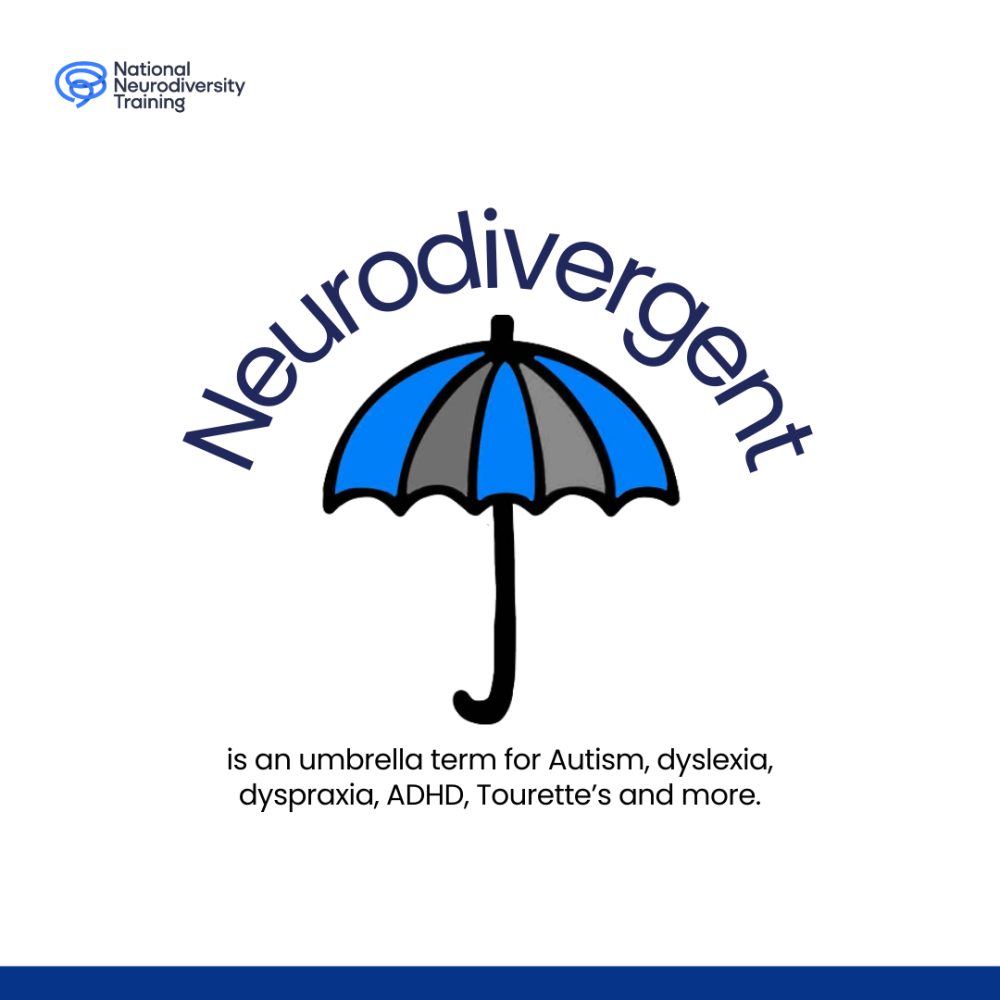
Neurodiversity Celebration Week arrives at a time when organisations are navigating complex expectations around culture, performance, and compliance. With 1 in 5 people being neurodivergent and 15–20% of people worldwide falling under the neurodivergent umbrella, this is not a niche workforce consideration. It is a core part of how organisations function.
Yet many employees still do not feel safe to share their needs. 76% choose not to disclose their neurodivergence at work, and half of neurodivergent staff are actively looking to leave due to lack of support. These figures highlight a gap between intention and experience, a gap that Neurodiversity Celebration Week gives organisations the opportunity to address.
Neurodiversity Celebration Week 2026 runs from Monday, March 16th, to Friday, March 20th. Some organisations celebrate until Monday, March 23rd.
The key focus and theme for Neurodiversity Celebration Week in 2026 is moving from awareness to behavioural change and action.
Each year, Neurodiversity Celebration Week is celebrated during the 3rd week of March. Future dates include:
Founded by Siena Castellon, an autistic, dyslexic, dyspraxic, and ADHD advocate, Neurodiversity Celebration Week was created to challenge stereotypes and highlight the strengths neurodivergent people bring to education and work.
For organisations, the week is not about themed activities. It is about visibility, understanding, and capability, ensuring that support is consistent, predictable, and aligned with legal and cultural expectations.
The regulatory environment has shifted quickly. In 2025, 13% of UK companies were taken to tribunal due to neurodiversity-related conflicts, with a 79% increase in cases year on year. These cases often arise from unclear adjustment pathways, inconsistent manager decisions, and uncertainty around what “reasonable” means in practice.
• Processes handled differently depending on the manager
• Support offered informally rather than consistently
• Employees unsure of how to request adjustments
Neurodiversity Celebration Week gives organisations a timely opportunity to revisit processes, strengthen documentation, and ensure managers feel confident in their responsibilities.
With half of neurodivergent staff actively looking to leave, retention risk is significant. Replacing an employee can cost between 50% and 200% of their salary, and 80% of candidates say inclusion influences their choice of employer.
Employees want clarity, consistency, and environments where they do not need to mask or hide their needs. Neurodiversity Celebration Week helps organisations reinforce that message.
Neurodivergent employees often bring strengths that align with modern business needs, including:
• Spotting patterns and risks
• Innovative problem‑solving
• Deep focus and specialist knowledge
• Direct, clear communication
Data shows that employees who disclose their needs are more engaged, and neurodiverse organisations are more likely to outperform competitors, report higher revenues, and achieve stronger profit margins. Neurodiversity is not a wellbeing topic. It is a performance and capability topic.
Use the week to make support easy to understand. Keep it practical:
• Where people can go for help
• How adjustments work
• What managers are responsible for
Clear expectations reduce inconsistency and help people feel safer asking for what they need.
Short, accessible materials help normalise different thinking styles. Posters, quick guides, and myth‑busters spark everyday conversations and build understanding across teams.
Lunch and Learns remain one of the most effective tools, not because they raise awareness, but because they give managers and employees space to ask questions they rarely feel comfortable asking. Stepping away from the desk helps create human, honest conversations that build confidence and clarity around support.
Voluntary panel discussions with neurodivergent colleagues can be powerful. Hearing lived experience helps others feel seen, reduces stigma, and creates a sense of community for both disclosed and undisclosed employees. It also gives leaders insight into what meaningful support looks like in practice.
With many HR teams reporting challenges around neurodiversity, this week often becomes the starting point for deeper work, such as:
• Reviewing processes
• Strengthening manager capability
• Embedding neuroinclusion into everyday workflows
Neurodiversity Celebration Week acts as a catalyst, not a conclusion.
Neurodiversity Celebration Week is not about celebration alone. It is a reminder that the way organisations support different minds shapes culture, risk, and performance.
The organisations that lead in 2026 will be those that move from awareness into confident, everyday practice, where neurodiversity is not an initiative, but part of how work gets done.
Ready to celebrate with us? Book your free consultation here.